Recognizing the Importance of Home Ventilation for a Healthier Living Environment
Home ventilation plays a crucial role in maintaining a healthy living environment. It helps with the exchange of outdoor and indoor air, which is necessary for enhancing air quality. Without proper ventilation, homes can become reproducing premises for toxins and irritants. The consequences of inadequate air circulation can be significant. This brings up the query of exactly how homeowners can properly implement air flow approaches to secure their health and wellness and wellness. Understanding these methods is important.
The Essentials of Home Air Flow
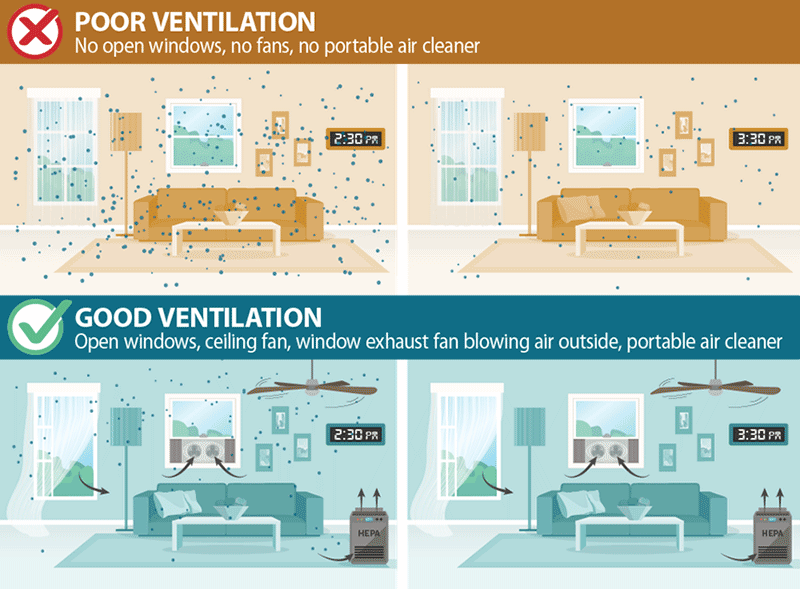
Home air flow functions as a crucial part of interior air top quality and comfort. It involves the process of exchanging stagnant interior air with fresh outside air, consequently lowering moisture and managing temperature. Appropriate ventilation systems can include natural approaches, such as open home windows and vents, along with mechanical systems, such as exhaust followers and air exchangers. Efficient home ventilation assists prevent issues like interior mold and mildew development and the build-up of unsafe particles. It also enhances overall energy effectiveness, as well-ventilated areas can preserve comfy temperatures with much less reliance on heating and cooling systems. Understanding the fundamentals of home air flow is essential for property owners seeking to create a healthier living environment for themselves and their households.
Common Sources of Indoor Air Pollution

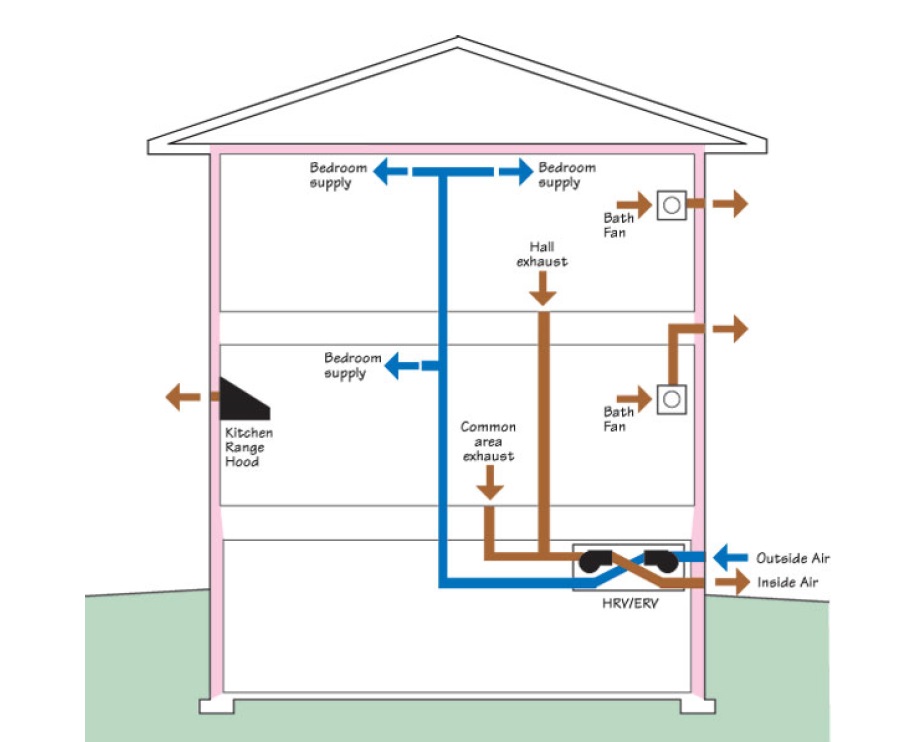
Although numerous might not recognize it, interior air contamination can stem from different resources within a household. Common contributors include unpredictable organic substances (VOCs) released from paints, solvents, and cleaning items. Home home appliances, such as gas cooktops and fireplaces, can release harmful gases like carbon monoxide gas and nitrogen dioxide. Furthermore, mold and mildew and mold flourish in wet areas, launching spores that impact air quality. Pet dog dander, dirt mites, and pollen can accumulate inside, further exacerbating air pollution degrees. Cigarette smoking indoors produces toxic chemicals that stick around in the air. Ultimately, building products, including asbestos and formaldehyde, can off-gas unsafe compounds. Identifying these sources is crucial for preserving a much healthier indoor atmosphere and advertising efficient air flow techniques.
Health And Wellness Effects of Poor Ventilation
Interior air contamination can have substantial health and wellness implications, especially when air flow is poor. Poor ventilation can result in the buildup of hazardous contaminants, such as unpredictable natural compounds, mold, and particle issue. This build-up may lead to breathing concerns, including bronchial asthma, allergies, and chronic obstructive pulmonary condition. People may experience symptoms like frustrations, fatigue, and irritation of the eyes, nose, and throat. Prone populaces, such as youngsters and the elderly, go to higher risk for serious health and wellness effects. Long-term exposure to inadequately aerated settings can additionally add to extra serious conditions, consisting of cardio conditions. Making sure appropriate ventilation is necessary for preserving a healthy living atmosphere and decreasing the threat of wellness issues connected with indoor air contamination.
Reliable Air Flow Methods for Your Home
Appropriate ventilation is crucial for preserving a healthy interior environment, and applying effective approaches can considerably enhance air quality. House owners can start by making certain that exhaust fans are set up in shower rooms and kitchens to get rid of excess wetness and smells. Opening windows regularly permits fresh air to distribute, specifically throughout moderate weather. Furthermore, using air cleansers with HEPA filters can aid capture air-borne pollutants. For homes with heating and cooling systems, keeping HVAC systems and transforming filters consistently is crucial for peak efficiency. Incorporating all-natural air flow strategies, such as cross-ventilation, can also improve air flow. Securing any kind of leakages in home windows and doors prevents unwanted drafts, which can interrupt regulated air movement, eventually leading to boosted interior air high quality and convenience.
Keeping Optimum Air Quality Year-Round
To maintain optimal air quality year-round, home owners should take on a positive method to managing their indoor atmosphere. Consistently monitoring interior air quality is important; this consists of checking for pollutants such as dust, mold and mildew, and unpredictable natural compounds (VOCs) Executing effective ventilation systems, such as exhaust followers and air cleansers, can substantially minimize air-borne pollutants. Additionally, routine maintenance of HVAC systems warranties peak efficiency and air circulation. Homeowners should additionally consider moisture levels, as extreme moisture can lead to mold growth. Seasonal modifications might require modifications in air flow techniques to fit varying outside air high quality. By focusing on these methods, homeowners can produce a healthier home, promoting news general wellness for all residents throughout the year.
Regularly Asked Concerns
How Can I Inform if My Home Needs Much Better Ventilation?
To figure out if a home requires much better ventilation, one must observe indicators such as consistent moisture, mold development, musty smells, condensation on home windows, or enhanced allergic reaction symptoms, suggesting poor air flow and possibly inadequate indoor air top quality.
What Are the Signs of Poor Indoor Air High Quality?
Can Houseplants Improve Indoor Air Top Quality Successfully?
The efficiency of houseplants in enhancing interior air high quality is questioned. While some research studies recommend they can absorb toxic substances and generate oxygen, their general influence may be marginal compared to appropriate air flow and air filtration systems.
Exactly how Typically Should I Change My Air Filters?
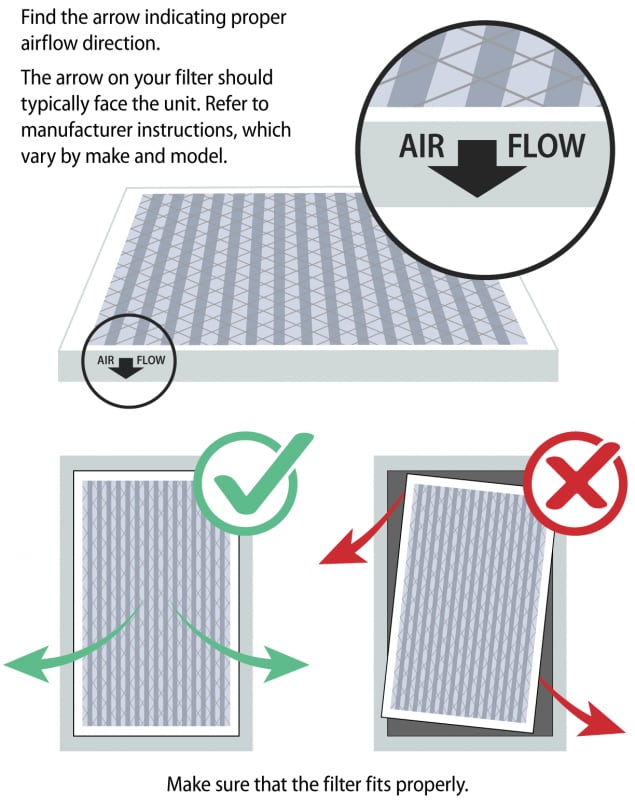
The regularity of air filter modifications normally depends on usage and filter type. Typically, it is advised to replace filters every three months, though houses with pets or allergies might require more constant modifications for ideal performance.
Are There Any Type Of Particular Ventilation Solutions for Allergic Reaction Sufferers?
Several ventilation systems, such as HEPA-filtered systems, effectively decrease allergens in the air. Home Ventilation Melbourne. These systems trap animal, dirt, and plant pollen dander, giving allergic reaction sufferers with a cleaner, healthier indoor environment while read what he said managing air quality successfully
It assists in the exchange of indoor and exterior air, which is crucial for Read More Here enhancing air high quality. Home ventilation serves as a crucial component of interior air top quality and convenience. It includes the process of exchanging stale indoor air with fresh exterior air, consequently lowering moisture and regulating temperature level. Indoor air pollution can have substantial health implications, specifically when air flow is inadequate. Proper ventilation is vital for preserving a healthy interior atmosphere, and executing efficient strategies can greatly boost air high quality.
Comments on “Expert Answers to Common Questions About Home Ventilation Melbourne”